your guide to Dedham Home Appraisal
Home Appraisal Explained: What to Anticipate and How to Prepare
Understanding home appraisals is vital for anyone involved in real estate transactions. These evaluations offer an impartial measure of a home's worth, impacting decisions on purchasing, selling, or refinancing. Property owners and purchasers frequently wonder about what to expect and how to plan accordingly. Knowing the key factors that appraisers consider can significantly influence the outcome. As the process unfolds, a number of misunderstandings may emerge that could shape expectations and strategies. What are these misunderstandings, and how can they be effectively managed?
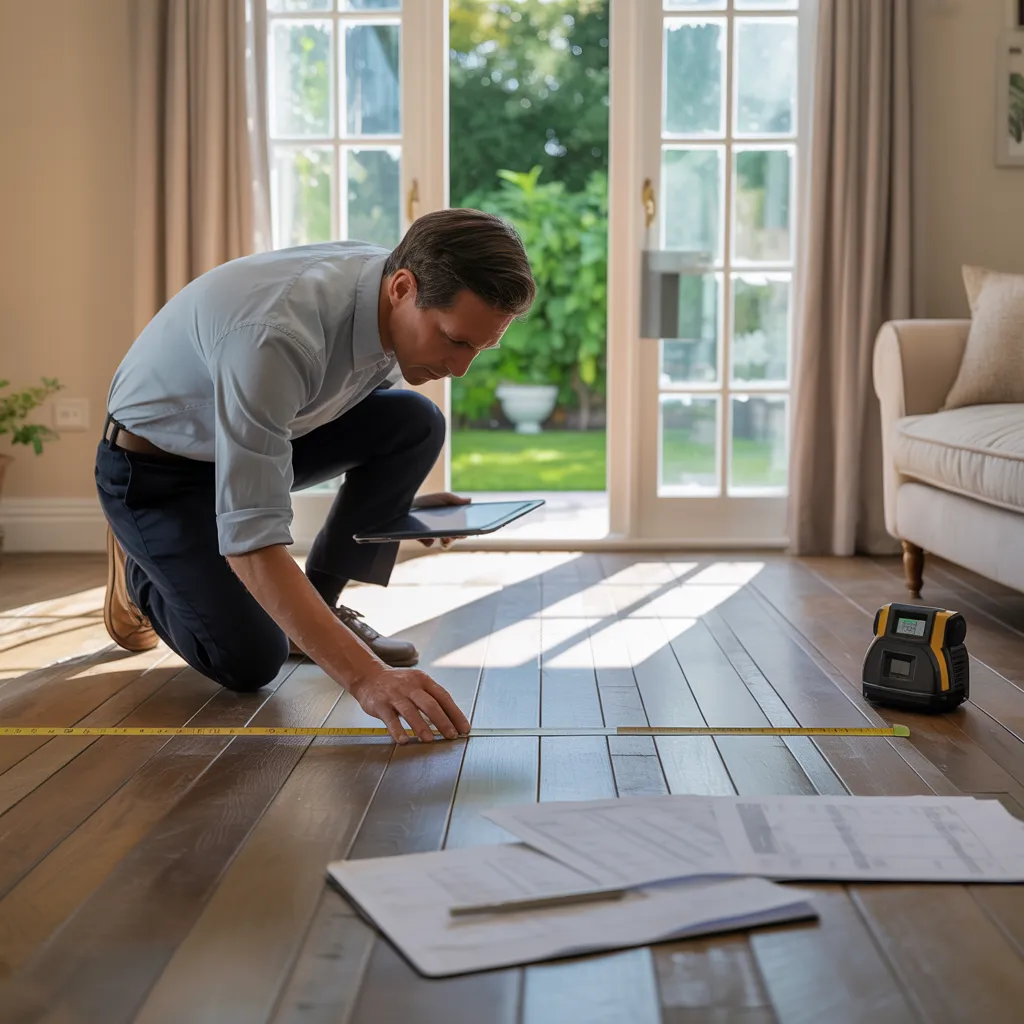
Grasping Property Appraisals: Overview and Relevance
A property appraisal serves as an essential analysis in the home buying and selling process, providing an unbiased measure of a property's market value. This assessment is commonly performed by a qualified appraiser who inspects the property, reviews comparable transactions, and examines the surrounding property market. The appraisal report serves a vital function in numerous dealings, including acquiring, marketing, and refinancing real estate. It guarantees that all parties including buyers and lenders have a clear understanding of the property's true value, working to avoid overpayment or under-lending. Moreover, appraisals can also affect property tax assessments and insurance needs. By determining a realistic market price, appraisals contribute to a open and well-functioning housing market. Ultimately, recognizing the value of property appraisals is crucial for property owners and investors, as it serves as a foundation for informed decision-making in housing market transactions.
Factors Appraisers Consider in Home Appraisals
In home appraisals, multiple critical elements impact the overall assessment. The mandarin palace casino location of the property serves a crucial function, as it influences buyer interest and ease of access. Additionally, the overall state of the property is carefully evaluated to determine its overall value and potential repairs needed.
Property Location Importance
Property location plays a fundamental role in home appraisals, affecting overall worth and buyer demand. Appraisers assess numerous elements of the area, including proximity to amenities such as schools, shopping centers, and parks. Area security, transportation availability, and regional employment options also contribute significantly in determining a property's worth. Additionally, the overall aesthetic appeal of the area, including landscaping and architecture, can affect buyer perception and demand. Appraisers regularly carry out a comparative review of similar residences in the surrounding area, factoring in recent sales data and existing market patterns. In the end, the desirability of the location can significantly boost or reduce a home's market worth, establishing it as an essential element in the appraisal procedure.
Residential Condition Inspection
A property's condition significantly influences the home appraisal process, as it indicates the overall quality and upkeep of the property. Appraisers examine both the interior and exterior aspects of the home, including structural integrity, roofing, plumbing, and electrical systems. They also consider the state of appliances and fixtures, as well as any needed repairs. Curb appeal and landscaping contribute to determining overall desirability. Additionally, the presence of any hazards, such as pests or mold, can adversely impact the property's appraisal value. The appraiser may also consider the property's age, as aging homes may require more maintenance. In the end, a well-maintained home generally commands a higher appraisal value, while neglect can considerably lower it.
How to Prepare Your Home for an Appraisal
The key to a successful home appraisal lies in thorough preparation. Homeowners are encouraged to begin by thoroughly cleaning and decluttering their home, creating an inviting atmosphere that highlights its best features. Ensuring that all necessary repairs have been addressed—like mending leaky faucets or closing up holes in walls—may significantly impact the appraiser's assessment of the property's worth.
Furthermore, maintaining the exterior by tending to the lawn, clipping shrubs, and cleaning walkways increases street appeal. Sellers should also assemble important documents, including earlier appraisal documents, tax records, and details regarding recent upgrades, to offer background information to the property appraiser.
Ultimately, ensuring a comfortable setting is vital; homeowners should confirm that the property is accessible and that pets are secured during the appraisal. By taking these actions, homeowners can significantly boost their potential for obtaining a successful appraisal assessment.
Common Home Appraisal Myths You Need to Stop Believing
Many misconceptions exist around the home appraisal process, frequently causing uncertainty and unrealistic expectations. One widely held belief is that appraisers are influenced by the homeowner's personal views or feelings regarding property value. In fact, appraisers rely on impartial standards and market information. An additional myth is that a greater selling price ensures a higher appraisal. This is inaccurate, as appraisals are founded upon relevant market comparables and existing conditions, not the listing price. Moreover, some believe that home improvements inevitably boost property worth; however, not all updates yield a return on investment. To conclude, many presume that appraisals are only intended for purchasers, but they are just as valuable for sellers, lenders, and investors in establishing accurate property worth. Recognizing these common misunderstandings can assist people navigate the appraisal experience with practical expectations and a well-informed outlook.
What Takes Place During a Home Appraisal?
Throughout a residential appraisal, the appraiser plays an essential role in establishing the home's market value. Several key factors, including the home's overall condition and local market trends, are carefully assessed. The process generally adheres to established guidelines to guarantee an reliable valuation.
The Role of an Appraiser Explained
Home appraisers play a critical role in assessing a home's market value, using a structured approach to evaluate numerous aspects. They start by examining the property, documenting its size, condition, and unique features. Appraisers analyze the nearby area, taking into account local market trends and neighborhood attributes. They gather data from comparable homes to create a baseline for property valuation. They also evaluate any improvements made to the home, making sure these changes are properly reflected in the total valuation. During the entire evaluation, their goal is to offer a balanced and objective analysis. After completing their analysis, appraisers compile their findings into a detailed report, which serves as a critical document for sellers, buyers, and financial institutions during property transactions.
Critical Factors Examined
Although appraisals may differ from one to another, multiple important elements are regularly considered to calculate the value of a property. First, the appraiser examines the property's geographical position, including neighborhood characteristics and proximity to amenities. Following that, the home's size and overall condition are evaluated, focusing on square footage, structural integrity, and any necessary repairs. The quantity of bedrooms and bathrooms also holds notable importance. Additionally, comparable sales in the area, or \"comps,\" are reviewed, offering insight into the property's market standing. Finally, the appraiser considers any unique features or upgrades, such as renovations or energy-efficient systems, which may enhance the property's appeal. These factors collectively contribute to a thorough valuation, guiding buyers, sellers, and lenders in their decisions.
Standard Appraisal Process Steps
The appraisal process advances through a series of methodical steps that guarantee an accurate assessment of the property. Initially, the appraiser gathers relevant information, including the property's address and details about the owner. Following this, a physical inspection is performed, during which the appraiser assesses both the interior and exterior, recording condition, size, and notable features. Following this, the appraiser researches comparable properties, studying recent sales in the area to assess market value. After compiling all data, they apply appropriate valuation methods, like the cost approach or the sales comparison approach. Finally, a thorough report is generated, outlining findings and determining a final appraisal value. This structured approach secures a reliable and consistent property valuation.
Next Steps After Your Home Appraisal Results
Receiving the results of a home appraisal can stir up a mix of emotions, from reassurance to anxiety. When the findings are available, homeowners should begin by taking the time to review the appraisal report thoroughly, paying attention to the appraiser's findings and assessment. If the appraisal meets or exceeds expectations, they can continue with their intended course of action, whether putting the home on the market or refinancing.
If the appraisal comes in below expectations, homeowners have various choices available to them. They can consult with their real estate agent or lender about the results to explore potential next steps, such as challenging the appraisal or submitting supplementary information to justify a higher value. It may also be advantageous to gather comparable sales data to strengthen their case.
In the end, grasping the significance of the appraisal outcomes is essential. Homeowners are encouraged to stay diligent, whether continuing with their objectives or tackling any disparities that might influence their financial outcomes.
Commonly Asked Questions
How Long Does a Home Appraisal Typically Take?
A property appraisal usually takes 30 minutes to two hours on average. Considerations such as the size, complexity, and location of the property can affect the overall duration of the appraisal, with more time necessary for report preparation afterward.
Is It Possible for Me to Be Present During the Appraisal?
Homeowners can typically be present during the home appraisal. Nonetheless, it's best to stay out of the way, enabling the property appraiser to perform a comprehensive assessment without unnecessary interruptions that might affect their evaluation.
What to Do When My Home Appraisal Falls Short of Expectations?
If a home appraises for less than expected, the seller may be required to negotiate directly with the buyer, think about decreasing the listed sale price, or tackle potential financing obstacles, which could result in a postponed sale or the need for extra funds.
Are Appraisers Required to Be Licensed or Certified?
Appraisers are commonly credentialed and certified specialists, complying with established state guidelines and requirements. Their credentials ensure they hold the necessary knowledge and skills to appraise properties fairly and accurately, preserving trust and integrity throughout the real estate industry.
How Frequently Should I Have My Home Appraised?
Homeowners are advised to consider getting their residence assessed every three to five year period, especially after substantial upgrades, market fluctuations, or if getting ready to put the home on the market. Regular appraisals help maintain an precise awareness of a property's worth.